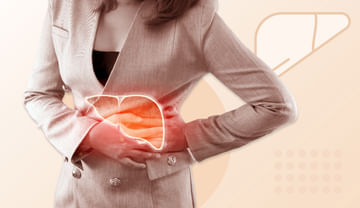
The liver is a critical organ in the human body that helps support metabolism, immunity, digestion, detoxification, and vitamin storage, among other functions. Fatty liver disease is the accumulation of abnormal amounts of fat within the liver cells that compromise the liver's ability to perform.
Fatty liver disease can be caused by excess alcohol consumption or other causes, which is known as nonalcoholic fatty liver disease(NAFLD). Most people do not know that they have NAFLD during the initial stages. It only presents symptoms or signs in case of a progression to liver failure.
NAFLD has become increasingly common with the increasing prevalence of its risk factors like obesity, diabetes, high blood pressure, and high cholesterol.
The treatment of NAFLD is based on the cause and how far the disease has progressed. Lifestyle modifications such as regular exercise, a healthy diet, managing weight, and keeping blood sugar and cholesterol under control are the cornerstone of managing this condition. A liver transplant may be required in severe cases.
Medications for Diabetes or insulin resistance: Pioglitazone
Types Of Fatty Liver Disease
Fatty liver disease is broadly categorized into 2 types. These are:
1. Alcohol-related fatty liver disease (AFLD)
Alcoholic fatty liver disease occurs due to the consumption of alcohol in excessive amounts.
2. Nonalcoholic fatty liver disease (NAFLD)
Nonalcoholic fatty liver disease (NAFLD) is not related to alcohol consumption. We will be focusing on this type in detail.
NAFLD is further classified as:
Fatty liver (isolated fatty liver or IFL)
Nonalcoholic Steatohepatitis (NASH)
In both isolated fatty liver and NASH there is a high amount of fat in the liver cells, but, in addition, in NASH there is inflammation within the liver, and, as a result, the liver cells are damaged and are replaced by scar tissue.
Symptoms Of Fatty Liver Disease
Fatty liver disease can progress through four stages, which include:
Simple fatty liver: It refers to the deposition and buildup of excess fat in the liver. It is usually harmless if it doesn’t progress.
Steatohepatitis: This refers to when there is inflammation in the liver along with fat deposition.
Fibrosis: This stage occurs when constant inflammation in the liver begins causing scarring. However, the liver can still function normally.
Cirrhosis: In this stage, scarring of the liver has become widespread, weakening the liver’s ability to function. This is a serious stage and is irreversible.
With NAFLD there are usually no symptoms in the early stages. However, in a few cases, the patient may feel tired and have discomfort in the upper right side of the abdomen. In cirrhosis (latter stages of NAFLD), the following symptoms can be observed:
In fatty liver disease, excess fat gets stored in liver cells.
Insulin resistance is the primary reason leading to NAFLD. Insulin resistance is when cells in your muscles, fat, and liver don't respond to insulin, leading to excessive glucose (sugar) in your blood. Also, elevated insulin levels and insulin resistance promote the continuous synthesis of fat in the liver.
Numerous risk factors for the development of NAFLD have been espoused, with most having some form of metabolic defect or insulin resistance at the core.
Don’t toy with your liver. Read about 6 habits that could be damaging it.
Risk Factors For Fatty Liver Disease
NAFLD is primarily caused by the deposition of fats in the liver and the various risk factors include:
1. Diet and dietary habits
High frequency of eating fast foods, and larger food portions that contain high saturated fats and refined carbohydrates can increase the risk of NAFLD.
Dietary habits like inappropriate mealtimes, including the habit of eating too much at evening and night, missing breakfast, and eating too rapidly also predispose to insulin resistance and thereby NAFLD.
2. Overweight or obesity
Obesity is a strong risk factor for NAFLD. According to a study, up to 75% of people who are overweight and 90% of people who are obese are suffering from NAFLD.
3. High BMI
Another study suggests that adults with a high BMI (Body mass index is a measure of body fat based on the height and weight of an adult) rate may have a risk of NAFLD.
4. Age
The risk of developing NAFLD increases with age because older people begin experiencing organ dysfunction. A relatively high proportion of individuals with progressive forms of NAFLD develop cirrhosis by the time they are in their 70s or beyond.
5. Family history
Research shows that liver fat fraction and fatty liver condition are inherited traits and tend to run in families.
Diabetes significantly raises the risk of nonalcoholic fatty liver disease. In most cases, Type 2 diabetes mellitus and NAFLD exist together.
7. High cholesterol
Dyslipidemia, i.e. high levels of triglycerides and LDL (bad cholesterol) or low levels of HDL (good cholesterol) in the blood can predispose to NAFLD.
8. Metabolic syndrome
Metabolic syndrome is a combination of risk factors which predispose a person to developing type Ⅱ diabetes and cardiovascular disease.
The current diagnostic criteria require having 3 of 5 of the following factors:
Triglycerides (150 mg/dL or greater)
HDL cholesterol (less than 40 mg/dL in men and less than 50 mg/dL in women)
High fasting glucose (100 mg/dL or greater)
Increased waist circumference (defined by population specific data)
High blood pressure (greater than 130/85 mmHg)
It is observed that the incidence of NAFLD has been increasing in concert with the rising rates of metabolic syndrome.
9. Polycystic ovary syndrome (PCOS)
The prevalence of NAFLD is higher in women suffering from PCOS. PCOS puts women at increased risk of insulin resistance, a critical factor in liver damage.
10. Obstructive sleep apnea
Evidence shows that obstructive sleep apnea can induce non-alcoholic fatty liver disease by increasing insulin resistance, inflammation, and dyslipidemia.
11. Hepatitis infections
Hepatitis B (HBV) and hepatitis C (HCV) are major causes of chronic liver disease but are different from non-alcoholic fatty liver disease (NAFLD). In some cases, particularly with HCV genotype 3, fat accumulation in the liver may also occur.
12. Genetic conditions
Defective LIPA gene which is clinically known as Wolman’s disease and cholesterol ester storage disease (CESD) can lead to chronic liver diseases. Fibrosis leading to cirrhosis is seen in two-thirds of patients with LIPA deficiency.
13. Certain medications
Side effects of certain medicines, such as corticosteroids, antidepressants, and antipsychotics can induce fatty liver disease.
14. Smoking
Smoking predisposes to the development of insulin resistance and metabolic syndrome, which are significant risk factors for fatty liver disease.
Tobacco kills more than 7 million people in the world. Try our widest range of smoking cessation products to keep this deadly habit at bay.
Diagnosis Of Fatty Liver Disease
NAFLD can be hard to diagnose because many people do not have any signs and symptoms initially. A combination of laboratory and imaging tests is required to confirm a diagnosis. The diagnostic procedure include:
1. Medical history
Your doctor will evaluate the presence of risk factors and also the absence of excessive alcohol intake.
2. Physical examination
During a physical examination, your doctor will look for any physical signs of impaired liver function like pale yellow skin, jaundice, red palms, enlarged breasts tissue in men (gynecomastia), small or enlarged testicles, and swelling of the upper stomach. To check for liver inflammation, they may press on your abdomen as an enlarged liver can be felt along the lower edge of the right rib cage.
3. Blood tests
Liver function test (LFT):This test helps show the abnormal levels of enzymes and proteins produced by the liver, including bilirubin, albumin, lactate dehydrogenase, etc.
Complete blood count (CBC): This test may help detect any infection or anemia that may be caused due to internal bleeding.
Fasting serum glucose:Increased levels of fasting serum glucose correlate with the degree of steatosis in NAFLD patients and may be used as a marker of severe hepatic steatosis.
Hepatitis antibody test: This test may help to rule out hepatitis B and C (mainly) virus infections that may cause serious liver inflammation and damage.
The doctor may advise imaging tests to get a better understanding of the patient’s condition. The following imaging tests can show the size, shape, texture, and inflammation of the liver:
Abdominalultrasound: It is a non-invasive, widely available, and accurate procedure for the detection of fatty liver disease. On ultrasound images, fatty liver looks brighter than normal liver, and cirrhotic livers (advanced stage) look lumpy and shrunken.
Abdominal computed tomography (CT): This procedure uses x-ray equipment with computers to produce multiple and detailed digital images of the liver. It can help detect mild to advanced steatosis as well as other liver diseases.
Magnetic resonance imaging (MRI): This technique requires a magnetic field, radio frequency pulses, and a computer to produce detailed pictures of the liver. A dye that is injected into the veins of the patient, helps the liver to be seen more clearly on the scan. It allows accuracy for the detection of damage caused by various liver diseases.
Magnetic resonance cholangiopancreatography (MRCP): MRCP is a special type of MRI that is used to evaluate a part of the liver and gallbladder.
Magnetic resonance elastography (MRE): This test assesses the stiffness, inflammation, and severity of scarring in the liver.
In this procedure, fine tissue samples are collected from the liver with a needle or during surgery. The liver biopsy should be considered in all patients with unexplained elevations in serum aminotransferases (e.g., with findings negative for viral markers or with no history of alcohol use). It offers high accuracy in the detection of fatty liver disease.
Be it a basic wellness check or a specific test, you can now get them done in the comfort and safety of your house with just a click.
Prevention Of Fatty Liver Disease
A healthy lifestyle prevents fatty liver disease and its potential complications. Following are a few tips to keep the liver, the only body organ with the superpower to grow back, healthy:
1. Eat right
A wholesome, well-balanced, healthy diet is the cornerstone for preventing fatty liver. This can be achieved by:
Consuming green vegetables, fresh seasonal fruits, whole grains, lean protein sources, nuts, seeds, low-fat dairy products, etc
Adding healthy fats (Polyunsaturated omega-3 fats) to the diet and staying away from saturated and trans fats
Increasing intake of dietary fiber
Avoiding fast food, canned and packaged food items
Limiting sugar intake
If you're trying to reduce the sugar and calories in your diet, you may be turning to artificial sweeteners or other sugar substitutes.
Watch this video to learn whether sugar alternatives are really as healthy as they claim to be and how you can include healthy alternatives to sugar in your life.
2. Keep your weight in check
Moderate amounts of weight loss is associated with improvement in insulin sensitivity.
Energy restriction of about 25–30 kcal/kg/day with a target weight loss of about 10% of body weight over six months can prevent and keep fatty liver in check.
Struggling to lose weight? Here are a few weight loss tips and tricks that can work like magic!
3. Always take out time to exercise
Regular exercise is a must to prevent fatty liver. Set realistic goals while working out, such as daily 15-min walks and 15-min exercises.
Small, achievable goals will also help you to be consistent and make working out a part of your daily routine.
4. Protect yourself from hepatitis
By avoiding hepatitis infection (particularly hepatitis B and C), the risk of developing liver cirrhosis can be limited. Use the following methods to reduce the risk of infection:
Avoid unprotected sex
Try our range of condoms and protect yourself from STDs (sexually transmitted diseases)
Do not get body piercings or tattoos in an unsterilized environment
Get vaccinated for hepatitis B
Do not share needles
Vaccination is not just for children. In fact, as you grow old, your immunity decreases which in turn makes you susceptible to various diseases. Read more about various adult vaccines.
5. Manage diabetes and cholesterol
These two conditions can be the primary culprit causing NAFLD. It is essential to keep them in check by consuming a healthy, wholesome diet, adding exercise to your daily routine, monitoring levels, and seeing your doctor regularly for follow-ups.
NAFLD is a growing epidemic not just in India, but worldwide. Listen to our experts talk about liver detox tips that help you take care of your liver.
Click To Watch Video
Specialist To Visit
A general physician can evaluate the causes of liver abnormalities and refer to the following specialists for assessment. They include:
Gastroenterologist
Hepatologist
A gastroenterologist is a specialist with expertise in the treatment & management of disorders related to digestive tract organs, including the liver, while a hepatologist specializes in disorders and diseases that affect the liver biliary tract, gallbladder, & pancreas.
If you are facing any issues, seek help. Consult our healthcare professionals today.
Home Care For Fatty Liver Disease
The following home remedies can be used as an adjunct to lifestyle modifications and other treatment options for fatty liver :
1. Coffee:A study has found that coffee of all kinds lowers the risk of fatty liver disease, with a significant risk reduction of fibrosis.
Know more about the benefits of drinking coffee. Watch this video by our expert.
2. Turmeric: It has antiseptic, antibacterial, antifungal, and antioxidant properties and can do wonders in treating liver disease. Add a pinch of turmeric in hot milk with honey and drink it once a day.
Have all your questions answered regarding turmeric tea. Click To Watch The Video
Quick Tip! Always consume ACV with a straw. This helps prevent tooth erosion.
Buy apple cider vinegar products online with just a click.
4. Green tea: It has high antioxidant properties that reduce oxidative stress, which initiates fibrosis and cirrhosis of tissues. It also gives a protective effect against liver disease and has antiviral properties that help fight viral hepatitis.
Explore our wide range of green teas.
5. Milk thistle: Studies show that it is a powerful liver cleanser and has the property of rebuilding the liver cells. It helps in reducing liver damage and removing toxins from the body that are processed through the liver.
The liver is the quality controller of the human body. Everything that goes in the body undergoes a quality check in the liver. So, detox your liver and boost its overall functioning.
Treatment Of Fatty Liver Disease
The first-line treatment for fatty liver disease is lifestyle intervention with diet modifications and exercise regime.
1. Dietary Modifications
Healthy, mindful eating is key to inducing weight loss without malnutrition. The following tips can be of great help. However, it is always advisable to work in conjunction with regular interactions with a dietician.
Avoid fast food and canned and packaged food items
Limit sugar intake
Count your calories. It is advisable to consume 1000‐1200 calories per day for women and 1200‐1600 calories per day for men.
The goal is to achieve a weight loss of 0.5 to 1.0 kg per week.
Aim for gradual but consistent weight loss over 6 to 12 months.
At the same time, macronutrients, including carbohydrates, protein and fat, as well as micronutrients, including vitamins, minerals and supplements, must be well balanced.
Here is your guide to eating habits that lead to a healthy weight without compromising on all-round nutrition.
Watch This Video
2. Exercise Regime
120 minutes of aerobic exercise, such as running and swimming every week, increases glucose uptake by improving insulin sensitivity and reducing hepatic fat content.
NAFLD is also improved with resistance exercises, which may be more tolerable for patients who suffer from poor cardiorespiratory fitness and cannot tolerate intense aerobic workouts.
A study has also shown that modified high-intensity interval training (HIIT) of five cycles of high-intensity cycling followed by 3-min recovery periods, three times/week for 12 weeks, leads to a reduction in liver fat.
However it is important that an individualized exercise be developed based on
The severity of underlying liver dysfunction from NAFLD
Class of obesity
Exercise tolerance status
Presence of individual components of metabolic syndrome and other comorbid medical problems
3. Weight loss using medications
While weight can be mostly managed by caloric restriction from dietary modifications and physical exercise, medications like Orlistat can aid in moderate weight loss by reducing the absorption of fat.
4. Bariatric surgery
Sometimes, exercise and diet modifications fail to lose weight in excessively obese people. It increases insulin sensitivity in the liver, muscles, and fat along with improving overall metabolic health.
5. Dietary supplements
Certain vitamin supplements can give a helping hand in managing fatty liver disease. These include:
Vitamin E: It reduces triglycerides as well as oxidative stress, which contributes to decreasing the progression of fatty liver in patients. Natural sources include wheat germ oil, sunflower seeds, almonds, peanuts, spinach, pumpkin, and red bell pepper. Supplements can also be considered if your diet is not able to meet the demands.
Check out our extensive range of vitamin E supplements.
Vitamin C: Vitamin C gives protective effects against liver oxidative damage. It also prevents fatty accumulation in the liver. Include vitamin C-rich items like lemons, oranges, strawberries, blackcurrants, broccoli etc. in your diet. You can also take vitamin C supplements to cover any gaps in your diet.
Vitamin D: Deficiency of Vitamin D can result in insulin resistance, metabolic syndrome, and NAFLD. A study found that 70% of patients with NAFLD have vitamin D deficiency. Therefore, appropriate levels of vitamin D can help in management of fatty liver disease.
Bask in the morning sunshine to boost your Vitamin D levels. You can also augment it by taking Vitamin D supplements.
6. Medications
There are no specific medicines for fatty liver disease. However, the doctor may prescribe medicines for the management of underlying conditions like:
High Triglycerides and cholesterol: Medications include:
In advanced cases of fatty liver disease, when the liver completely loses its ability to function, a liver transplant is the last treatment option.
It is a procedure to replace a patient’s liver with a healthy liver from a deceased donor or with part of a liver from a living donor. Candidates for liver transplants undergo extensive testing to find whether they are healthy enough to have a good outcome following surgery.
Complications Of Fatty Liver Disease
Fatty liver disease can turn into a life-threatening condition if it progresses into inflammation, fibrosis, and cirrhosis of the liver. And, if left untreated, it can eventually lead to the following:
1. Bleeding
Inflammation, fibrosis, and cirrhosis can affect the liver's ability to make enough clotting factors. Hence, the chance of severe bleeding increases.
Some patients tend to lose their bone strength and are at a higher risk of bone fractures. Research shows that patients with NAFLD were 1.35 times more likely to develop osteoporosis when compared to individuals without NAFLD.
Diabetes may worsen if someone already has it and develops cirrhosis and complete liver damage.
7. Liver failure
Patients who are suffering from long-term fatty liver disease have the highest risk of liver failure.
8. Liver cancer
Scarring and cirrhosis increase the chances of liver cancer, most commonly a type called hepatocellular carcinoma (HCC).
9. Acute fatty liver of pregnancy (AFLP)
It is a rare but serious complication that occurs during the 3rd trimester of pregnancy. Proper delivery and supportive care can help the patient with better recovery.
Note: Liver health will likely return to normal within a few weeks of giving birth.
Alternative Therapies For Fatty Liver Disease
Complementary therapies that can help on managing the symptoms of NAFLD include:
1. Traditional Chinese Medicine (TCM)
TCM has been widely used to treat NAFLD for centuries in Asia, and its holistic concept shows advantages in the treatment of this condition. This treatment is mainly focused on preventing damage to the liver, increasing insulin sensitivity, and improving the immune system.
2. Acupuncture therapy
This is another traditional Chinese medicine-based approach, in which thin needles are inserted into the body that helps in healing. A study has demonstrated that acupuncture can effectively treat NAFLD by inhibiting inflammation and promoting fat metabolism in liver cells.
3. Yoga
Yoga positions can strengthen and stimulate the liver and aid in releasing stored fat in the form of energy. Certain yoga positions help improve liver functions and fatty liver diseases.
Yoga can not only benefit you with your liver condition but can have a very positive impact on your overall well-being. Know more about other benefits of yoga.
Did you know?
The liver excretes bilirubin, a substance that helps the metabolism of proteins, carbohydrates, and fats. It also helps to remove wastes and toxic matter from the blood. A malfunctioning liver cannot excrete adequate amounts of bilirubin, and is one of the primary causes of jaundice.
Frequently Asked Questions
Fatty liver disease is a condition in which lots of fat builds up and accumulates in the liver with inflammation (steatosis), which eventually causes fibrosis and then cirrhosis. The formation of scar tissue or fibrosis affects the regrowth of liver cells, which leads to liver damage. This causes the liver to lose its ability to perform proper functions.
Some of the common symptoms that indicate a person is moving towards liver disease are swelling in the lower legs or feet, bloating or abdominal pain, jaundice and experiencing tiredness or mental confusion.
It is highly advisable to stop drinking alcohol if you have fatty liver disease, as it can cause more damage to the liver. Avoid or limit sugar, fast food, processed and packaged foods high in trans fats.
NAFLD is not contagious and can’t be transmitted through casual interaction with an affected person.
Lean protein such as chicken, tofu, fish, etc can be a healthy addition to your diet if you have fatty liver. Yes, chicken is an excellent way to get the protein you need without worrying about saturated fats, which can be hard on the liver.
Yes. Coconut water is a rich source of antioxidants with liver-protective properties.
Did our information help you?
In our relentless endeavour to keep improving our services, you are our eyes. Kindly take out sometime to guide us on how to serve your better.
Subscribe to stay informed
Subscribe to our carefully crafted informative emailers by Medical Experts and be the first to get the latest health news, tips and important updates.
Want to know more?We provide you with authentic, trustworthy and relevant information
Have issues with the content?
Disclaimer
Tata 1mg's sole intention is to ensure that its consumers get information that is expert-reviewed, accurate and trustworthy. However, the information contained herein should NOT be used as a substitute for the advice of a qualified physician. The information provided here is for informational purposes only. This may not cover all possible side effects, drug interactions or warnings or alerts. Please consult your doctor and discuss all your queries related to any disease or medicine. We intend to support, not replace, the doctor-patient relationship.