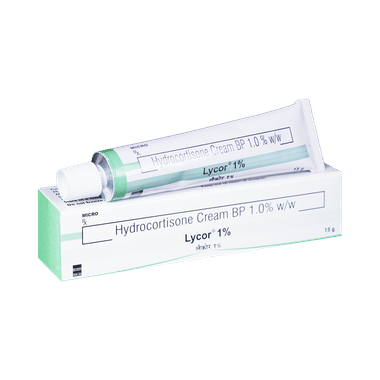

Basecort Cream
 डॉक्टर की पर्ची ज़रूरी है

परिचय
Basecort Cream is meant only for external use and should be used as advised by your doctor. आपको आमतौर पर दवा की पतली परत लगाने से पहले प्रभावित क्षेत्र को धोना और सुखाना चाहिए. You should not apply it to open wounds or damaged skin. दवा का अधिकतम लाभ प्राप्त करने के लिए नियमित रूप से इसका इस्तेमाल करें.
इन्हें आमतौर पर कम या बिना किसी साइड इफेक्ट के अच्छी तरह से सहन किया जाता है. However, it may cause application site reactions such as burning, irritation, itching, and redness in some people. ये साइड इफेक्ट अस्थायी होते हैं और आमतौर पर समय के साथ दूर हो जाते हैं. हालांकि, अगर वह बने रहते हैं या और खराब हो जाते हैं, तो यह बात अपने डॉक्टर को बताएं.
गर्भवती और स्तनपान कराने वाली महिलाओं को यह दवा इस्तेमाल करने से पहले अपने डॉक्टर से सलाह लेनी चाहिए. अपनी आंखों, नाक या मुंह के संपर्क में लाने से बचें. अगर यह गलती से लग जाए, तो इसे बहुत सारे पानी से धोएं. जब तक डॉक्टर सलाह न दें, इलाज वाले अंग को एयरटाइट ड्रेसिंग जैसी पट्टियों से कवर न करें.
Basecort Cream is contraindicated in patients with a history of hypersensitivity to the medicine or any of its constituent ingredients. Patients with tuberculosis or fungal infections and/or herpes infections of the eyes, lips, or genitals should also avoid the use of Basecort Cream or consult a doctor.
Basecort Cream should not be used under waterproof dressings unless advised to do so by a physician. Basecort Cream should not be used to treat acne. Basecort Cream should not be used for external feminine itching if a vaginal discharge is present. अगर मलाशय या एनल क्षेत्र में खून बह रहा है, तो यह दवा खुजली के इलाज के लिए नहीं लगानी चाहिए.
Uses of Basecort Cream
- त्वचा से जुड़ी समस्याएं का इलाज
Benefits of Basecort Cream
त्वचा से जुड़ी समस्याएं के इलाज में
Side effects of Basecort Cream
Common side effects of Basecort
- इस्तेमाल वाली जगह पर रिएक्शन (जलन, खुजली, लालिमा)
- रूखी त्वचा
- बालों की जड़ों में सूजन
- हाइपरट्राइकोसिस (अनचाहे बालों का ज्यादा बढ़ना)
- मुहांसे जैसे रैश
- Hypopigmentation
- Perioral dermatitis
- एलर्जिक कांटेक्ट डर्मेटाइटिस
- स्किन मैसेरेशन
- द्वितीयक संक्रमण
- त्वचा का क्षय
- स्ट्रेच मार्क्स
- घमौरी (पसीने से होने वाले रैशेज)
How to use Basecort Cream
How Basecort Cream works
सुरक्षा संबंधी सलाह
What if you forget to take Basecort Cream
सभी विकल्प
ख़ास टिप्स
- Basecort Cream should be applied to the affected areas as a thin film two or three times daily, or as advised by your doctor.
- इसका इस्तेमाल डॉक्टर द्वारा निर्धारित मात्रा या अवधि से अधिक समय तक न करें.
- जब तक डॉक्टर न कहे, इलाज किए जा रहे क्षेत्र को एयरटाइट ड्रेसिंग जैसे कि बैंडेज से कवर न करें क्योंकि ऐसा करने से साइड इफेक्ट का जोखिम बढ़ सकता है.
- If you think the area of skin you are treating has become infected, you should stop using Basecort Cream and consult your doctor.
- अगर इलाज के 2 सप्ताह में भी आपकी त्वचा की स्थिति में सुधार नहीं होता है, तो डॉक्टर से परामर्श करें.
फैक्ट बॉक्स
अक्सर पूछे जाने वाले प्रश्न
Can Basecort Cream be used on the face
Can we use Basecort Cream in infections
How to use Basecort Cream
Can I stop taking Basecort Cream when my symptoms are relieved
What are the precautions that are needed to be taken while using Basecort Cream
Who should not use Basecort Cream
What should I do if I forget to use Basecort Cream
जानकारी साझा करना चाहते हैं?


Disclaimer:
टाटा 1mg's का एकमात्र उद्देश्य यह सुनिश्चित करना है कि उसके उपभोक्ताओं को एक्सपर्ट द्वारा जांच की गई, सटीक और भरोसेमंद जानकारी मिले. हालांकि, यहां निहित जानकारी का उपयोग एक योग्य चिकित्सक की सलाह के लिए विकल्प के रूप में नहीं किया जाना चाहिए. यहां दिए गए विवरण सिर्फ़ आपकी जानकारी के लिए हैं. यह संभव है कि इसमें स्वास्थ्य संबधी किसी विशेष समस्या, लैब टेस्ट, दवाओं और उनके सभी संभावित दुष्प्रभावों, पारस्परिक प्रभाव और उनसे जुड़ी सावधानियां एवं चेतावनियों के बारे में सारी जानकारी सम्मिलित ना हो। किसी भी दवा या बीमारी से जुड़े अपने सभी सवालों के लिए डॉक्टर से संपर्क करें. हमारा उद्देश्य डॉक्टर और मरीज के बीच के संबंध को मजबूत बनाना है, उसका विकल्प बनना नहीं.रिफरेंस
- Briggs GG, Freeman RK, editors. A Reference Guide to Fetal and Neonatal Risk: Drugs in Pregnancy and Lactation. 10th ed. Philadelphia, PA: Wolters Kluwer Health; 2015. pp.. 661-66.
- Hydrocortisone. Clonmel, Co. Tipperary: Pinewood Laboratories Limited; 1997 [revised 21 May 2018]. [Accessed 04 Apr. 2019] (online) Available from:

- Chaves RG, Lamounier JA. Breastfeeding and maternal medications. J Pediatr (Rio J). 2004;80(5 Suppl):S189-S198. [Accessed 04 Apr. 2019] (online) Available from:
- Central Drugs Standard Control Organisation (CDSCO). [Accessed 03 Apr. 2019] (online) Available from:
- Hydrocortisone Cream [Prescribing Information]. Johnson City, TN: Crown Laboratories, Inc.; 2016. [Accessed 20 Feb. 2024] (online) Available from:
- Hydrocortisone [Prescribing Information]. Auckland, New Zealand: AFT Pharmaceuticals Limited; 2022. [Accessed 03 March. 2025] (online) Available from:
- Hydrocortisone [Prescribing Information]. Yeruham, Israel: Padagis; 2023. [Accessed 03 March. 2025] (online) Available from:
मार्केटर की जानकारी
हमारे पास उपलब्ध टेस्ट