Sign in to your account
or
By signing in you agree to our
Terms & conditions
 and 
Privacy policy

KFT with Electrolytes (Kidney Function Test with Electrolytes)

Also referred as
RFT with Electrolytes (Renal Function Test with Electrolytes)
xyz people viewed recently
51,652+ booked recently
For men & women
Fastest Reports in
7 hrs
Contains
8 tests
Test price:
₹399
₹850
53% off
Upto 15% extra discount with coupon
Min. order value: ₹5000 | Coupon: 1MGNEWG
arrow
Know more about this test
<font color='#864291'>Know more about this test</font>

The KFT with Electrolytes (Kidney Function Test with Electrolytes) test evaluates how well the kidneys are functioning. This test helps detect possible kidney dysfunction and monitors an ongoing treatment response for kidney problems. It also measures the levels of electrolytes to check for the water and pH balance in the body.

Samples required
Blood
Find out
Why is this test booked?
Preparations
No special preparation is required.

Sample Collection
Who will collect your samples?
Conducted by

know_more_icon
Tata 1mg Labs
chevron
most_trusted_lab
Accredited labs
Highly skilled Phlebos
Verified reports
Who will collect your samples?
Tata 1mg certified phlebotomists
View phlebo details
Know more about lab
Tata 1mg Labs
About this lab
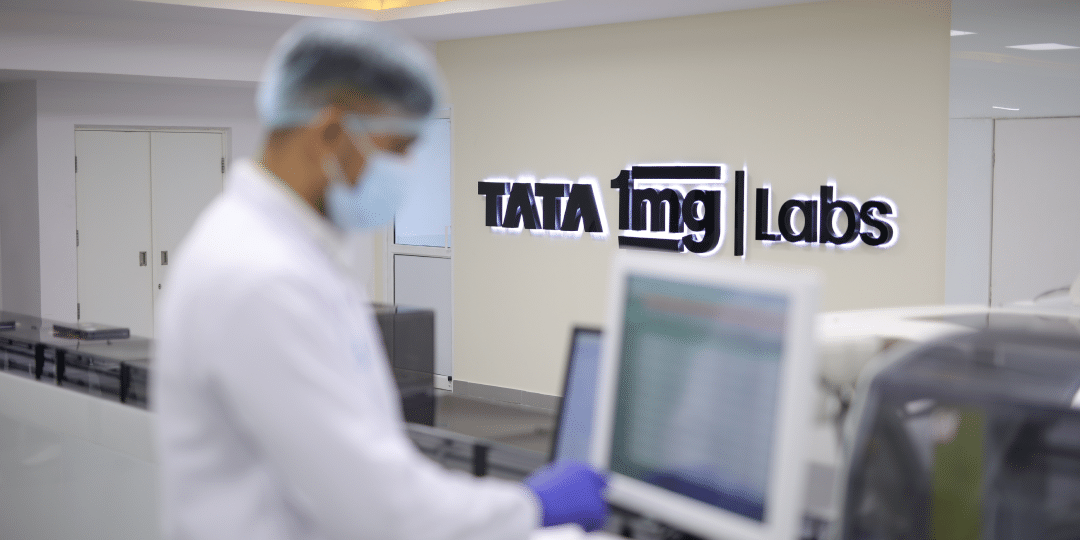
TATA 1mg Labs is a cutting-edge facility delivering top-quality diagnostic services right to your doorstep. We take pride in three core values: Assured Quality, Best Prices and Timely Reports. Transparency is at the heart of our operations, ensuring our customers always have clear and reliable information. Our dedicated team is committed to offering an exceptional customer experience and continually innovates to meet and exceed customer expectations.
See more

Understanding KFT with Electrolytes (Kidney Function Test with Electrolytes)

The kidneys are vital in removing waste, toxins, and extra water from your body. They are responsible for maintaining a healthy balance of water, salts, and minerals like chloride, sodium, and potassium. These minerals are also essential for blood pressure control, maintenance of the body’s pH balance, stimulating hormone synthesis for red blood cell production (erythropoietin), and promoting bone health. Hence, keeping your kidneys healthy is essential for maintaining overall health.

Your doctor may suggest this test if you have symptoms like frequent urination, blood in urine, muscle cramps, or sharp pain in the groin. It may also be recommended if you have risk factors like obesity, diabetes, heavy alcohol use, or a family history of kidney disease. Early detection enables timely medical management to avoid complications. This test also helps check how well existing kidney treatment is working, track recovery, and adjust medicine doses if needed.

Usually, no special preparation is required for this test; eat and drink as per your daily routine. Also, let your doctor know about all your other medications, as some can affect the test results.

Lab test results may vary across laboratories. Interpretation of the test results requires expert guidance. Therefore, do not self-medicate and talk to your doctor to understand your test results correctly.

See more

What does KFT with Electrolytes (Kidney Function Test with Electrolytes) measure?

Contains 8 tests

The KFT with Electrolytes (Kidney Function Test with Electrolytes) test determines the health of your kidneys. It evaluates parameters such as creatinine, blood urea nitrogen (BUN), uric acid, electrolytes (sodium, potassium, and chloride), blood urea, and the BUN/creatinine ratio. This test also helps indicate possible kidney disorders like inflammation, infection, or functional damage.

The Serum Creatinine test measures the creatinine level, a byproduct produced by the wear and tear of muscles during energy production. Since kidneys help filter creatinine, this test helps determine how well your kidneys work. Usually, high levels of creatinine in the blood signal diminished kidney function. At the same time, low levels may indicate decreased muscle mass.

Know more about Serum Creatinine

The Uric Acid, Serum test measures the amount of uric acid in your blood. Uric acid is a waste product formed when the body breaks down purines. Purines are the natural substances found in your body’s cells (DNA) and in certain foods like red meat or seafood. Under normal conditions, uric acid dissolves in the blood, passes through the kidneys, and is excreted in the urine. When this process doesn’t work properly, due to either increased production or reduced elimination, the uric acid can build up in the blood. This may indicate underlying health issues such as kidney dysfunction, gout, or the presence of kidney stones. In some cases, the exact reason for high uric acid levels is unclear. On the other hand, low uric acid levels are rarely a cause for concern. This test helps doctors understand if uric acid levels are within a healthy range and whether further evaluation or treatment is needed.

Know more about Uric Acid, Serum

The Blood Urea Nitrogen test measures the levels of urea nitrogen in the blood. Blood urea is a waste product that is formed in the liver when you eat food and the protein is metabolized into amino acids. This process leads to the production of ammonia that is further converted into urea. Both ammonia and urea are nitrogenous compounds. Your liver releases urea into the blood which is then carried out to the kidneys. In the kidneys, urea is filtered from the blood and flushed out of the body via urine. This is a continuous process, so a small amount of urea nitrogen always remains in the blood.

In the case of a kidney or liver disease, there is a change in the amount of urea present in the blood. If your liver produces urea in an increased amount or if there is any problem in kidney functioning, there might be difficulty in filtering out the waste products from the blood, which can result in increased urea levels in the blood.

Know more about Blood Urea Nitrogen

The BUN/Creatinine Ratio test helps compare the levels of blood urea nitrogen to that of creatinine in your body. Urea is a waste product that is formed in the liver when you eat protein, which is then metabolized into amino acids. This process leads to the production of ammonia that is further converted into urea. Later, the urea is passed out of your body through the urine. On the other hand, creatinine is a byproduct produced by muscles during energy production. Therefore, the more muscle you have, the more creatinine your body produces. The kidneys remove both the urea and creatinine via urine, and this test determines how well your kidneys are functioning.

Know more about BUN/Creatinine Ratio

The Blood Urea test measures the level of urea in the blood. Urea is a byproduct of protein metabolism. Proteins you consume in your diet are digested and converted into amino acids, which are then utilized by the body. This metabolic process produces a toxic byproduct known as ammonia. Ammonia is then rapidly converted into urea by your liver. Urea is comparatively less toxic than ammonia and is transported to the kidneys via the blood. The kidneys then filter it out through the urine. This process continues and the body keeps producing and eliminating urea, maintaining its low and steady levels in the blood.

Know more about Blood Urea

The Sodium test measures the amount of sodium in your body. Sodium is present in all body fluids and is found in the highest concentration in the extracellular fluid. The body absorbs the required amount of sodium through dietary salts, and the kidneys eliminate the remaining sodium. The body keeps your blood sodium within a regular and steady range by following three mechanisms:

  • By producing hormones that control the elimination of sodium through urine, such as natriuretic peptides and aldosterone.

  • By producing hormones that prevent water loss, such as antidiuretic hormone (ADH).

  • By controlling thirst (an increase in blood sodium level can make you thirsty and cause you to drink water, returning your sodium to normal).

These mechanisms regulate the amount of water and sodium in the body and control blood pressure by keeping the amount of water in check. When the sodium level in the blood changes, the water content in your body changes. These changes can be associated with dehydration, edema, and changes in blood pressure.

Know more about Sodium

The Chloride test measures the amount of chloride in your body. Chloride is present in all body fluids and is found in the highest concentration in the blood and extracellular fluid (fluid present outside the cells). The body gets most of the chloride through dietary salt (sodium chloride or NaCl) and a small amount through other food items. The required amount of chloride is absorbed in the body and the excess amount is excreted by the kidneys through urine. When the chloride is combined with sodium it is mostly found in nature as salt. Chloride generally increases or decreases in direct relationship to sodium but may also change without any changes in sodium levels when there are problems with the body's pH. Usually, the normal blood chloride level remains steady with a slight fall after meals (because the stomach produces hydrochloric acid using chloride from the blood after we eat food).

Know more about Chloride

The Potassium test measures the levels of potassium in your body. Potassium is one of the key electrolytes that helps in the functioning of the kidneys, heart, nerves, and muscles. It also balances the effect of sodium and helps keep your blood pressure normal. The body absorbs the required amount of potassium from the dietary sources and eliminates the remaining quantity through urine. Potassium level is typically maintained by the hormone aldosterone. Aldosterone acts on the nephrons present in the kidneys and activates the sodium-potassium pump that helps the body reabsorb sodium and excrete potassium. This aids in maintaining a regular and steady potassium level in the blood.

Know more about Potassium

Frequently booked together
Did you find information useful ?
yesYES (34)
noNO (11)

KFT with Electrolytes (Kidney Function Test with Electrolytes) test price for other cities

Price inBangaloreRs. 399
Price inNew DelhiRs. 399
Price inKolkataRs. 399
Price inMumbaiRs. 399
Price inHyderabadRs. 329
Book a KFT with Electrolytes (Kidney Function Test with Electrolytes) test at home near me
Easy online booking
Easy online booking
Search for tests and packages, book your preferred time slot and enter your address for seamless at-home lab tests.

Live tracking of phlebotomist
Track our trained phlebotomist's real time location for seamless sample collection.

Safe Sample Collection
Our phlebotomists follow strict safety protocols to collect samples safely at home and on time.
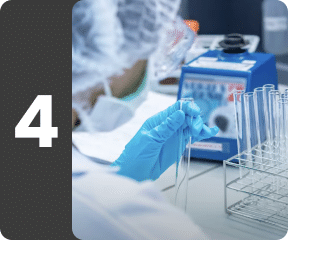
Sample received at lab
Samples are transported securely to our accredited labs with world-class machines for testing by qualified experts.
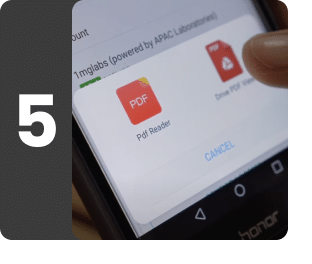
Quick, Doctor-Verified Reports
Get doctor-approved reports via email and WhatsApp, with options for doctor follow-ups and AI insights.

FAQs related to KFT with Electrolytes (Kidney Function Test with Electrolytes)

KFT stands for Kidney Function Test.
The KFT with electrolytes test is done to evaluate overall kidney function. It helps identify kidney-related disorders and monitor a patient's reaction to continuous treatment for thw kidneys. It also checks the water and pH balance in the body by measuring electrolyte levels.
Urinating more or less, back pain, belly pain, muscle cramps, loss of appetite, fatigue, and weakness are common signs and symptoms of kidney problems.
Chronic kidney disease (CKD) or chronic kidney failure is a medical condition characterized by the steady and progressive loss of proper kidney functioning, which leads to complete kidney failure if left untreated.
Adopting healthy eating habits, maintaining an active lifestyle, limiting alcohol intake, controlling blood sugar levels and blood pressure, and drinking plenty of water to stay hydrated can help improve your kidney health.
The signs and symptoms that might indicate an electrolyte imbalance in your body are headache, fatigue, nausea, vomiting, diarrhea or constipation, irregular heartbeat, muscle cramps, numbness or tingling in fingers and toes, irritability, and confusion.
Losing fluids due to persistent diarrhea, vomiting or sweating, not drinking enough water, higher-than-normal body pH levels, and effects of certain medicines such as diuretics, steroids, and laxatives are common causes of electrolyte imbalance.
A trained professional (phlebotomist) will clean your skin with an alcohol wipe and take a blood sample from your vein using a needle. The sample will then be safely stored and sent to the lab for testing.
No, the KFT with Electrolytes (Kidney Function Test with Electrolytes) test is generally safe with minimal risks. You may feel slight discomfort during blood sample collection, but serious complications are rare.
The frequency of this test depends on your health condition and your doctor's recommendations. If you're at risk for certain diseases or have ongoing health issues, your doctor may suggest regular testing, such as annually or more often. For general monitoring, it may be done as part of a routine checkup. Always follow your doctor's advice on how often you should get tested.
It's important to inform your doctor about any medications you're taking, as some drugs can affect the results of the KFT test. Your doctor will advise if you need to stop any medications before the test.
Tata 1mg ensures accurate lab test results through certified laboratories. Tata 1mg uses advanced technology and adheres to stringent quality control measures. This commitment to high standards guarantees reliable results.
Recommended for everyone
This package is designed with everyone’s overall health considerations in mind, offering assessments to address a wide range of wellness needs.
Package can be booked by :
Men
Women
Contains 8 tests
Serum Creatinine
Uric Acid, Serum
Blood Urea Nitrogen
BUN/Creatinine Ratio
Blood Urea
Sodium
Chloride
Potassium
Report delivery
Faster Report
₹49 per patient
7 hrs
faster report icon
Limited slots only, you can choose faster report option when you add the test
Standard time
No extra charges
15 hrs
For slots after 11 AM, report will be delivered in 15 hours.
Samples required
Blood
Our phlebotomist will draw a blood sample, typically from a vein in your inner elbow.
Preparations
1
No special preparation is required.
Why is this test booked?
1
As part of routine health checkups.
2
To help detect any abnormalities affecting the kidneys.
3
To monitor the treatment response of kidney diseases.
4
To check your body's water, electrolyte, and acid-base (pH) balance.
5
To monitor patients who are receiving diuretic therapy, intravenous fluids, or are on dialysis.
6
To monitor kidney function in people with diabetes and high blood pressure (BP).
Coupon details
Upto 15% extra discount with coupon
Get upto 15% off on your lab tests
Maximum discount: ₹1500
1MGNEWG
copy
10% off
₹999
separator
13% off
₹3000
separator
15% off
₹5000
Who's behind your sample collection?
About Phlebotomist
Play
Tata 1mg Phlebotomist
icon
MEET YOUR PHLEBO
icon
Certified Professionals
Certified & experienced professionals
Tata 1mg phlebotomists are DMLT / B.Sc MLT certified and have 1+ years of experience

Best collections
Best in-class collections
Tata 1mg phlebotomists are trained for painless, single-prick hygienic sample collection

Expertise
Comprehensive expertise
Other than sample collection, our phlebos are also skilled in first aid, ECG & BP monitoring
frame icon
WHAT OUR CUSTOMERS ARE SAYING
frame icon
Pain free collection
~ Sandugade Subhash Tukaram
double quote icon
In one prick, he got the sample. Great work.
~ Abhishek
double quote icon
Pain free blood collection
~ Vaghela Sagar Shashikantbhai
double quote icon
Excellent service
~ JITENDER KUMAR
double quote icon
Pain free collection Conduct & Behaviour good On time collection
~ Kajal Ramakant Pal 0239889984
double quote icon
On Time, pain free collection, Hygiene & safety
~ RAJEEV KUMAR SINGH 7330190217
double quote icon
Technician was great..
~ Saurav Choudhury
double quote icon
Very professional and humble
~ Sheela
double quote icon
Very gentle
~ Divya Chawla
double quote icon
Very polite
~ Sadhana Kumari
double quote icon
Footer