

Parvovirus B19 - IgG antibody


The Parvovirus B19 - IgG antibody test is a blood test that detects IgG antibodies against parvovirus B19. It helps determine past exposure or long-term immunity to the virus, which is responsible for fifth disease (slapped cheek syndrome) in children and can cause complications in pregnant women and immunocompromised individuals.



Understanding Parvovirus B19 - IgG antibody
Parvovirus B19 is a common virus that causes fifth disease in children, characterized by fever, rash, and sometimes joint pain. While it usually resolves without complications, infection can be more serious in certain groups. In pregnant women, exposure may increase the risk of miscarriage or hydrops fetalis, a rare but severe condition affecting the fetus. People with weakened immunity or blood disorders may also face complications such as prolonged anemia.
The Parvovirus B19 - IgG antibody test detects immunoglobulin G (IgG) antibodies, which usually appear in 1-2 weeks after infection and remain in the body for life. Their presence indicates past infection or long-term immunity against the virus. This makes the test especially important for assessing whether a person has been previously exposed, particularly in high-risk cases such as pregnancy or immunocompromised states.
This test is often recommended for pregnant women to check immunity levels to parvovirus B19 and identify any past infection. It also helps diagnose a previous parvovirus infection and support assessment of maternal immunity; if recent infection is suspected, doctors may monitor the fetus for anemia. The doctor may also recommend this test if there is an active or previous parvovirus infection, a history of exposure to someone with parvovirus, a history of miscarriage or stillbirth, or a blood disorder such as sickle cell anemia that can increase the risk of fetal anemia.
No special preparation is needed before taking this test. However, it is important to inform the doctor about any medications being taken or any recent viral infections or immune conditions, as these can affect the results. During the test, details such as the specimen type, collection site, clinical history, and the clinician’s contact number are also required for accurate reporting and notification.
Test result ranges are approximate and may differ slightly between labs depending on the methodology and laboratory guidelines. Do not self-medicate and always consult a doctor to understand the test results correctly.
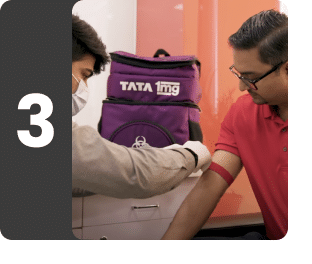
Please note: This is an outsourced test. The sample is collected by TATA 1MG and processed at a NABL accredited partnered lab.
What does Parvovirus B19 - IgG antibody measure?
The Parvovirus B19 - IgG antibody test measures the presence of immunoglobulin G (IgG) antibodies in the blood. IgG antibodies develop 1-2 weeks after infection and usually remain in the body for life, providing long-term immunity. Their presence indicates that the person had a previous infection or has developed immunity to parvovirus B19.
A positive result generally means past infection or immunity, while a negative result suggests the person has not been exposed and is susceptible to infection. When interpreted with the parvovirus B19 IgM antibody test, results can help differentiate between recent, past, or no infection.


FAQs related to Parvovirus B19 - IgG antibody
- Macri A, Crane JS. Parvoviruses. [Updated 2023 Jun 28]. In: StatPearls [Internet]. Treasure Island (FL): StatPearls Publishing; 2025 Jan-. Available from:
- Heegaard ED, Brown KE. Human parvovirus B19. Clin Microbiol Rev. 2002 Jul;15(3):485-505. Accessed 26 Aug. 2025]. Available from:
- About Parvovirus B19 [Internet]. CDC; 26 Nov. 2024 [Accessed 26 Aug. 2025]. Available from:
Other tests
- PT INR (Prothrombin Time with INR)
- HIV 1 and 2 Antibody, Rapid Screening Test
- Viral Marker Screening (HIV, HBsAg, Anti-HCV)
- Total IgE
- Rheumatoid Factor - Quantitative
- STD Panel (Sexually Transmitted Diseases Panel)
- STD Panel (Sexually Transmitted Diseases Panel),
- HIV Combo (Antigen And Antibody) Test
- Anti-CCP Antibody
- Lipid Profile, Non Fasting,
- CBC (Complete Blood Count)
- FBS (Fasting Blood Sugar)
- Thyroid Profile Total (T3, T4 & TSH)
- HbA1c (Glycosylated Hemoglobin)
- PPBS (Postprandial Blood Sugar)
- Lipid Profile
- Vitamin D (25-Hydroxy)
- Urine R/M (Urine Routine & Microscopy)
- Coronavirus Covid -19 test- RT PCR
- LFT (Liver Function Test)
- KFT (Kidney Function Test)
- TSH (Thyroid Stimulating Hormone) Ultrasensitive
- ESR (Erythrocyte Sedimentation Rate)
- Uric Acid, Serum
- Vitamin B12
- CRP (C-Reactive Protein), Quantitative
- Urine C/S (Urine Culture and Sensitivity)
- Serum Electrolytes
- Serum Calcium
- Serum Creatinine
- Diabetes Screening (HbA1C & Fasting Sugar)
- KFT with Electrolytes (Kidney Function Test with Electrolytes)
- Cholesterol - Total
- Hb (Hemoglobin)
- Complete Hemogram (CBC & ESR)