




X - Ray Pelvis AP & LAT Views



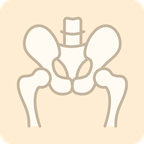
The X - Ray Pelvis AP & LAT Views is an easy way to visualise the hip bones, the upper part of the femur (thigh bone), hip joint, skin and muscles around the pelvis. AP (anteroposterior) means that the X rays pass from front to back with your legs straight. Lateral means the side view of the pelvis with your legs bent. This image is achieved in a process that produces less radiation.
An X-ray AP and Lateral view help identify fractures, joint dislocations, inflammations, bone lesions (abnormal changes), or other deteriorating diseases of the pelvis and related structures. The radiologist (a specialised imaging doctor) will communicate the findings to your doctor, and suitable treatment can begin. It is a relatively safe procedure with minimal radiation exposure.



- To diagnose any fractures of the pelvic bones which includes the hip bone and upper part of thigh bone and to monitor the healing of the broken bone, after it has been set.
- To detect any infection, osteoporosis, deformities or abnormal growth of the bones of this region.
- To diagnosis any suspected arthritis, sacroiliitis, hip dislocations and ankylosing spondylitis.
- You may have to remove your jewelry and any metal objects which might interfere with the image.
- Pregnant women should inform their doctor (and x-ray technician) as the radiation may affect the fetus. If needed, precautions can be taken to lower the radiation exposure to the fetus.
- Informed consent is required.

 YES
 NO