







 Genuine
Authenticity Assured
 Prescription
required
Editor Sachet is a combination medicine used in the treatment of diarrhea. It manages the symptoms of diarrhea such as stomach pain, cramps, and loose stools. It also promotes the growth of good bacteria in the gut that prevents loss of water from the body.
Written By Dr. Sakshi Jain, MS, BDS,
Reviewed By Dr. Rajeev Sharma, MBA, MBBS,
Last updated on 22 Feb 2026 | 06:32 PM (IST)
Written By Dr. Sakshi Jain, MS, BDS,
Reviewed By Dr. Rajeev Sharma, MBA, MBBS,
Last updated on 22 Feb 2026 | 06:32 PM (IST)
Save more with additional offers

Flat ₹30 cashback. T&C Apply*
Flat ₹30 cashback. T&C Apply*


Get upto Rs.500 Cashback on minimum transaction of Rs.999/- with Mobikwik Wallet.
Get upto Rs.500 Cashback on minimum transaction of Rs.999/- with Mobikwik Wallet.
10% cashback up to 200 on Min Transaction of Rs.1000, for first time users of Airtel Payments Bank.
10% cashback up to 200 on Min Transaction of Rs.1000, for first time users of Airtel Payments Bank.
Flat ₹30 cashback. T&C Apply*
Flat ₹30 cashback. T&C Apply*
Get upto Rs.500 Cashback on minimum transaction of Rs.999/- with Mobikwik Wallet.
Get upto Rs.500 Cashback on minimum transaction of Rs.999/- with Mobikwik Wallet.
10% cashback up to 200 on Min Transaction of Rs.1000, for first time users of Airtel Payments Bank.
10% cashback up to 200 on Min Transaction of Rs.1000, for first time users of Airtel Payments Bank.

Earn cashback up to Rs.75 with Amazon Pay Later
Earn cashback up to Rs.75 with Amazon Pay Later
Pay with Amazon Pay Balance and get cashback up to Rs. 75 with minimum cashback of Rs. 15
Pay with Amazon Pay Balance and get cashback up to Rs. 75 with minimum cashback of Rs. 15
Get upto Rs.150 Cashback on minimum transaction of Rs.599/- with Mobikwik UPI.
Get upto Rs.150 Cashback on minimum transaction of Rs.599/- with Mobikwik UPI.
General Information

The content is shown in English




Safety advice

Alcohol
CONSULT YOUR DOCTOR
It is not known whether it is safe to consume alcohol with Editor Sachet. Please consult your doctor.

Pregnancy
CONSULT YOUR DOCTOR
The safety of Editor Sachet during pregnancy has not been established. There are no adequate and well-controlled studies in pregnant women, and animal data on reproductive toxicity are insufficient. Your doctor will weigh the benefits and any potential risks before prescribing.

Breast feeding
CONSULT YOUR DOCTOR
Information regarding the use of Editor Sachet during breastfeeding is not available. Please consult your doctor.

Driving
SAFE
Editor Sachet does not usually affect your ability to drive.

Kidney
CAUTION
Editor Sachet should be used with caution in patients with severe kidney disease. Dose adjustment may be needed.
Use of Editor Sachet should be avoided in children with underlying kidney disease and those suffering from severe renal impairment.
Use of Editor Sachet should be avoided in children with underlying kidney disease and those suffering from severe renal impairment.

Liver
CAUTION
Editor Sachet should be used with caution in patients with liver disease. Dose adjustment may be needed.
Related lab tests
References
- Racecadotril. Vernouillet, France: SOPHARTEX; 2015. [Accessed 28 Mar. 2019] (online) Available from:

- ScienceDirect. Saccharomyces boulardii. [Accessed 12 Apr. 2019] (online) Available from:
- Racecadotril. Ireland: Bioprojet Europe Ltd.; 2011 [revised 16 Jul. 2015]. [Accessed on 28 Mar. 2018] (online) Available from:
- Racecadotril and Saccharomyces Boulardii. Delhi, India: Zeelab Pharmacy; [Accessed on 06 Nov. 2026] (online). Available from:
Related products
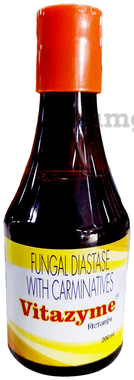
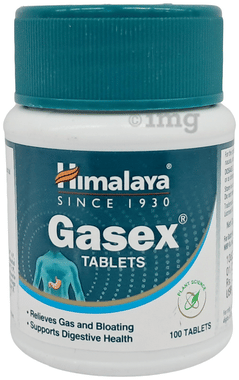
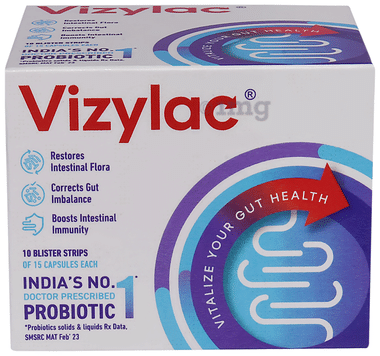
Products related to Editor Sachet





100% genuine products
Safe & secure payments
No contact delivery
Fully sanitized facilities

Want to know more
We provide you with authentic, trustworthy and relevant information
Have issue with the content
Why we need a prescription?
